|
Complementary information can be found at the NASA Ames Laboratory Astrophysics COSmIC Lab pages.
COSmIC stands for "Cosmic Simulation Chamber"
and was developed to generate, process and
analyze interstellar, circumstellar, and
(exo)planetary analogs in the laboratory.
COSmIC is used to study neutral and ionized
molecules and nanoparticles and grains under
temperature and vacuum conditions that are
representative of space environments.
Laboratory Equipment
COSmIC, depicted below, consists of a pulsed
discharge nozzle (PDN) mounted on a vacuum
chamber and coupled to a cavity ringdown
spectro- meter (CRDS) and a quadrupole
mass spectrometer (QMS). An RF/DC Plasma
Static Langmuir Probe can also be connected
to the chamber.
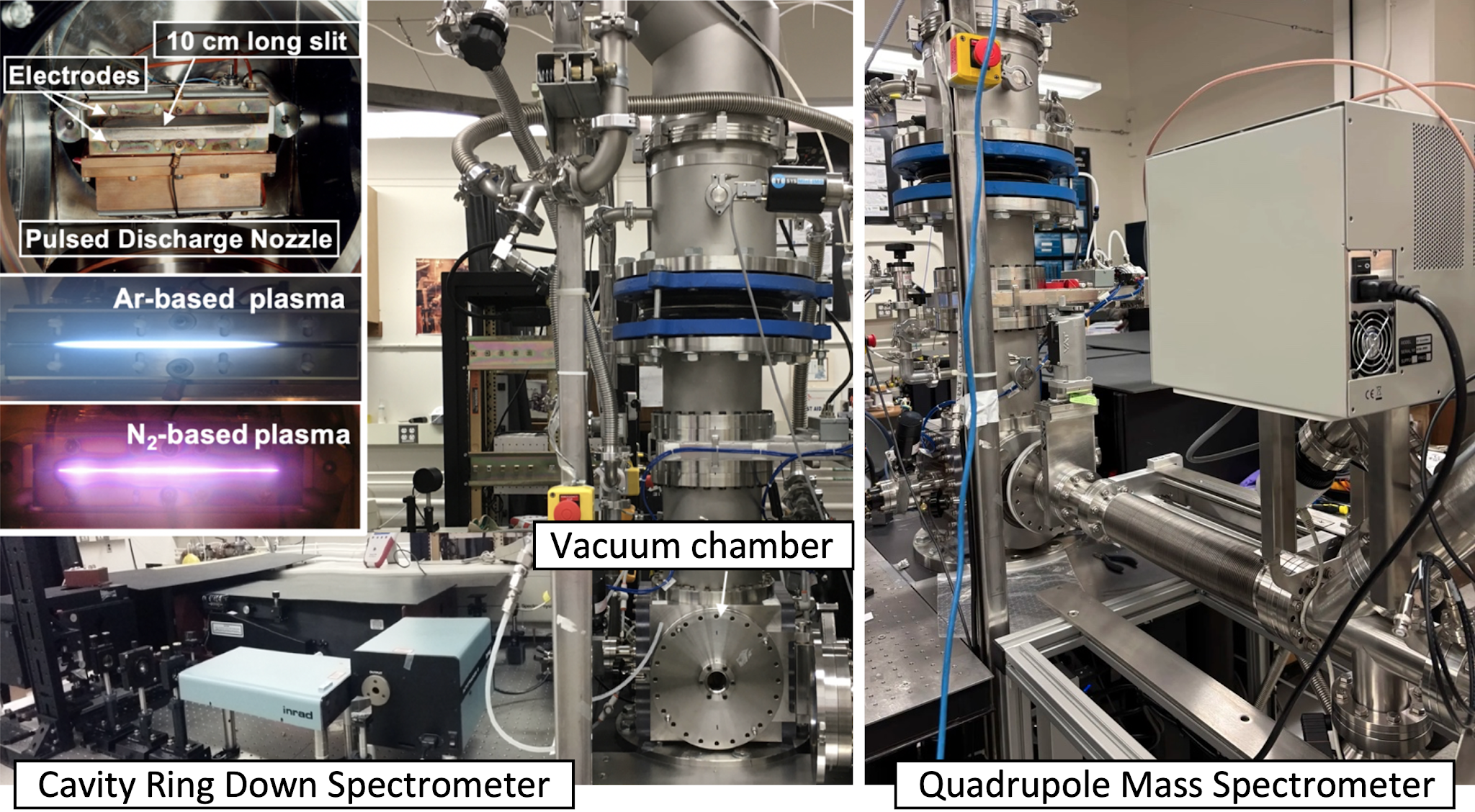
Figure 1: Pictures of the COSmIC facility.
Left inserts: the PDN slit and images of an
argon-based (blue) and a nitrogen-based (pink)
plasma. Left: the CRDS system coupled to the
COSmIC chamber. Right: The QMS coupled to
COSmIC.
The PDN is used to generate a free
supersonic expansion by injecting a gas mixture
into the vacuum chamber through a very thin slit
(127 μm x 10 cm). A reservoir with heating
plates (up to 300°C) allows to mix precursors
into a carrier gas before expansion through the
slit. The expansion lowers the gas temperature
(50–150 K) and the pressure (0.1—30 mbar).
A cold plasma discharge (1–2 eV energy) can be
generated in the stream of the expansion by
applying a high voltage (600–1000 V) onto elec-
trodes placed along the slit (see schematic).
This plasma discharge then generates cold
isolated neutral, ions, radicals in the gas
phase, as well as solid particles in a setting
that realistically simulates astrophysical and
(exo)planetary environments.
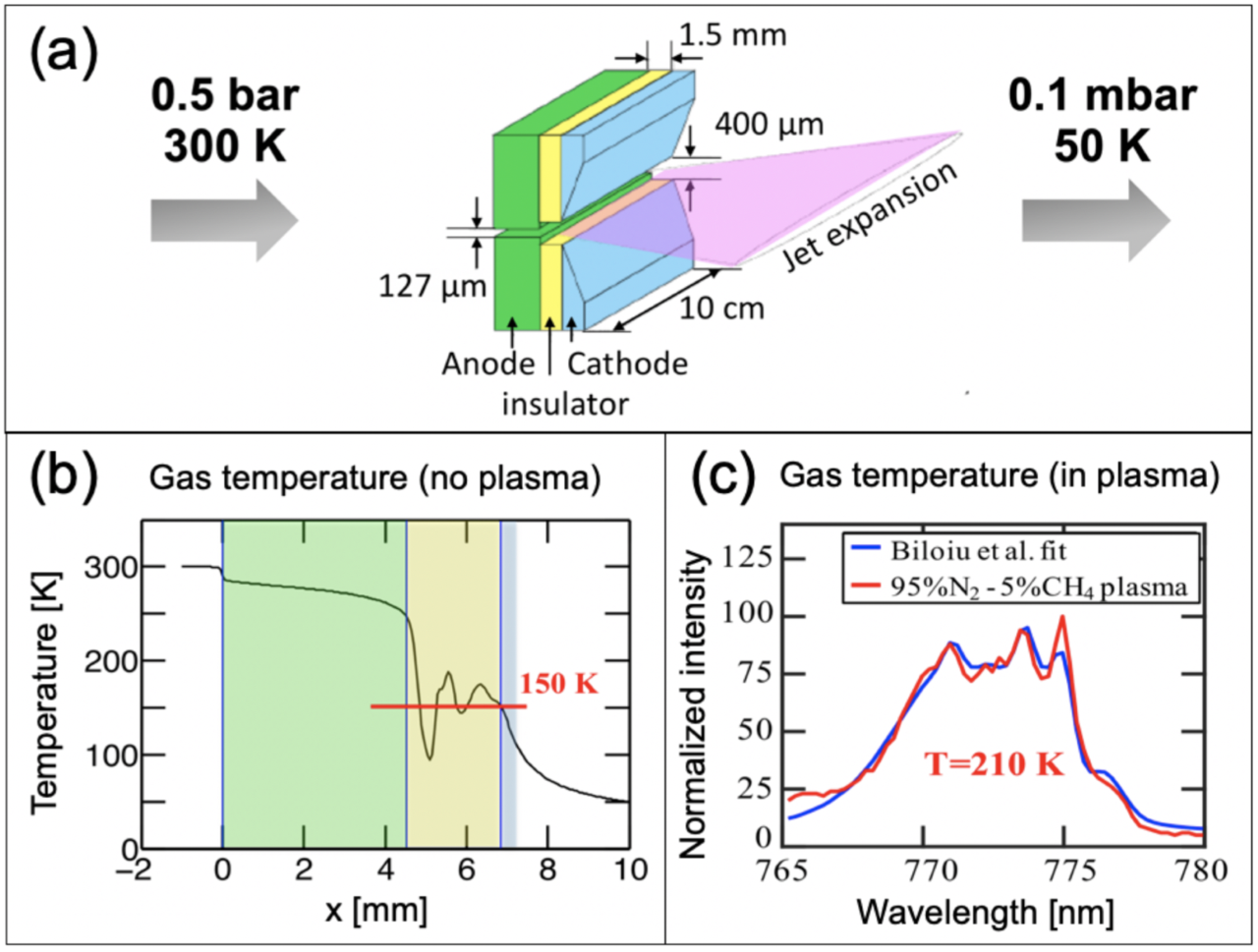
Figure 2: (a) Schematic of the pulse discharge
nozzle (PDN). (b) Gas temperature before the
plasma is turned on. (c) Gas temperature after
the plasma is turned on.
Cavity Ringdown Spectroscopy (CRDS) is an
ultra-sensitive direct absorption technique based
on the measurement of the lifetime of probe
photons trapped into an optical cavity formed by
two high reflectivity (>99.99%) mirrors facing
each other. On COSmIC, a laser and several sets
of mirrors allow measuring the absorption spectra
of neutral and ionized molecules (with and
without plasma) in the ultraviolet to near
infrared spectral range from 300 to 900 nm. An IR
CRDS system (2.7—4.0 μm) is also under
development. These measured absorption spectra
can then be directly compared to observational
data for their interpretation.
Mass spectrometry is another in situ,
non-intrusive technique that allows monitoring
the neutral and ionized species produced in the
plasma expansion on COSmIC. The first mass
spectrometer installed on COSmIC was a
time-of-flight mass spectrometer that enabled
studying the chemical pathways leading to the
formation of heavier molecular species precursors
of solid particles analogs of cosmic dust grains
and planetary aerosols. Recently a new quadrupole
mass spectrometer was installed on COSmIC that
will enable not only the detection of positive
ions and neutrals in the plasma expansion but
also negative ions. A LLangmuir probe can
also be coupled to the COSmIC chamber to
characterize the plasma parameters (e.g.,
pressure, temperature).
Simulating Interstellar Environments (gas-phase)
CRDS can be used on COSmIC to measure the
absorption spectra in the NUV-NIR range of
ionized PAHs and nitrogen-contained PAH molecules
(PANHs) isolated in a cold free jet expansion of
argon (Ar) carrier gas. These high-resolution
experimental spectra can then be compared to the
observations and the upper limits for the column
densities of the PAHs and PANHs molecular carrier
can be derived. A first quantitative survey of
neutral and ionized PAHs in the optical range,
and in particular a comparison of CRDS
experimental absorption spectra of pentacene to
ISO interstellar observations opened the way for
unambiguous quantitative searches of PAHs in a
variety of interstellar and circumstellar
environments.
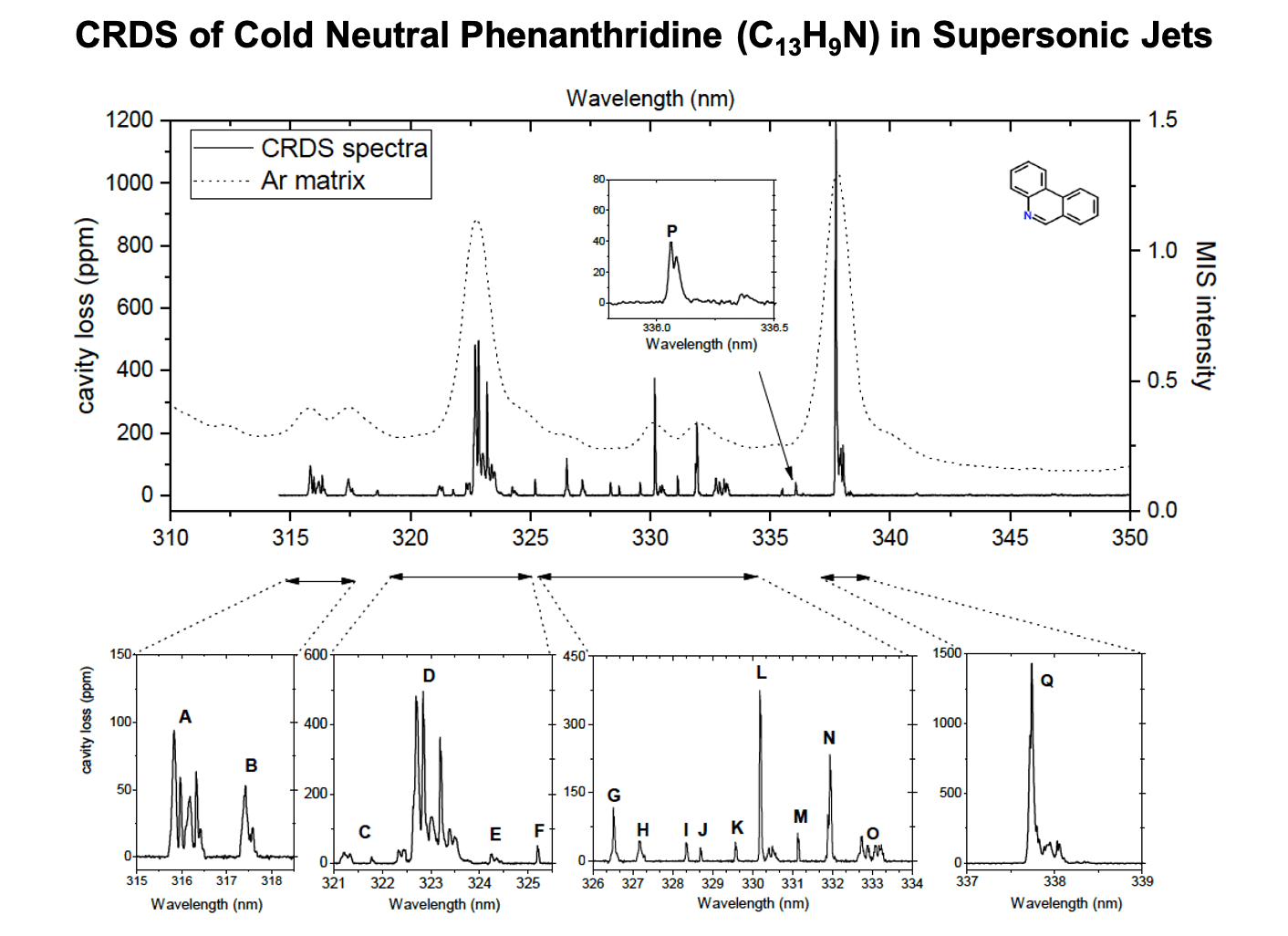
Figure 3: Experimental gas-phase CRDS
absorption spectrum of phenanthrene compared to
solid matrix isolation spectroscopy spectrum
demonstrating the high-resolution capability of
the CRDS technique (from Bejaoui
& Salama 2019).
Simulating Circumstellar Environments (gas and solid phases)
In COSmIC, simple hydrocarbons (e.g.,
CH4, C2H2) and
PAHs seeded in Ar gas can be used as precursors
to study grain formation in the gas phase. The
plasma chemistry induced in the PDN produces more
complex molecular species, that can then be
directly detected in situ by mass
spectrometry, and solid phase materials, that can
be collected on substrates and analyzed ex
situ, with high-resolution mass
spectrometry, scanning electron microscopy, and
spectrally with the Optical Constants Facility
(OCF).
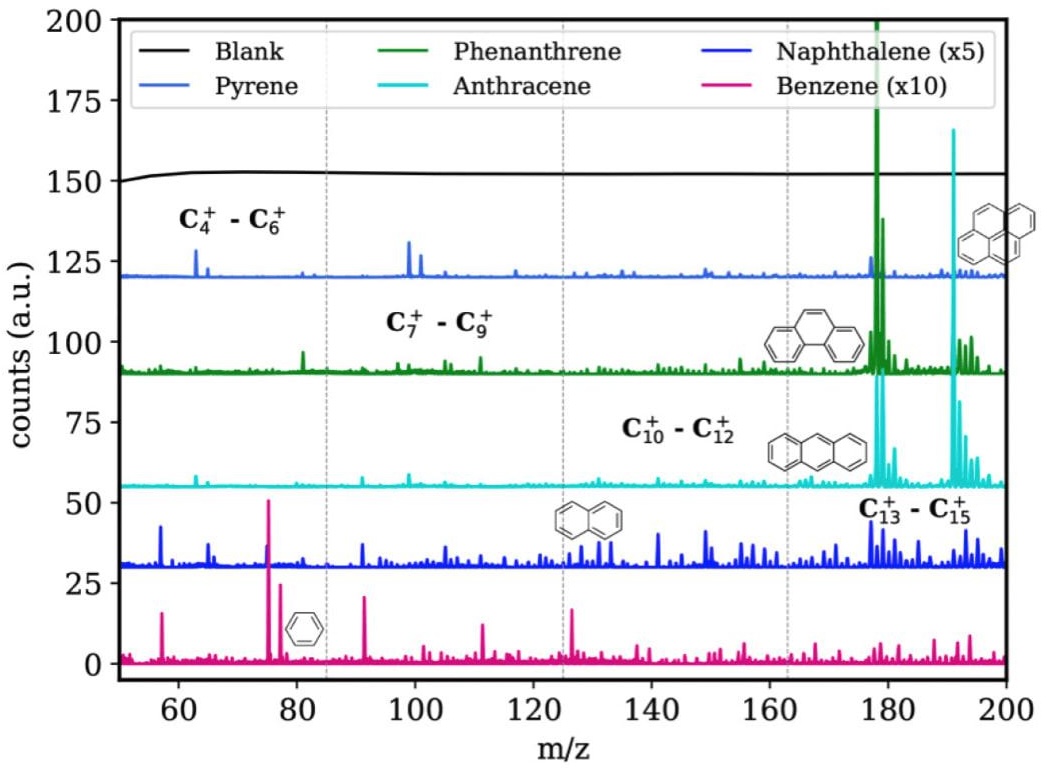
Figure 4: High-resolution laser desorption mass
spectra of grains formed by plasma chemistry
from aromatic precursors seeded in Ar gas
(Gavilan
et al. 2020).
Simulating (Exo)Planetary Environments (gas and solid phases)
The COSmIC facility can also be used to simulate
the chemistry occurring in the upper layers of
planetary (e.g., Titan, Pluto, Triton, Jupiter)
and exoplanetary atmospheres. Different gas
mixtures (e.g., N2:CH4,
N2:CH4:C2H2,
N2:CH4:C6H6,
N2:CH4:CO,
Ar:NH3:CH4,
Ar:NH3:C2H2,
Ar:CH4:CO,
Ar:CH4:CO2) can be injected
in the plasma, in order to investigate the
chemical pathways leading to the formation of
aerosols, via in situ mass spectrometry,
and produce aerosol analogs for further ex
situ analysis (Scanning electron
microscopy, X-ray absorption spectroscopy, high
resolution mass spectrometry, optical properties
with OCF.
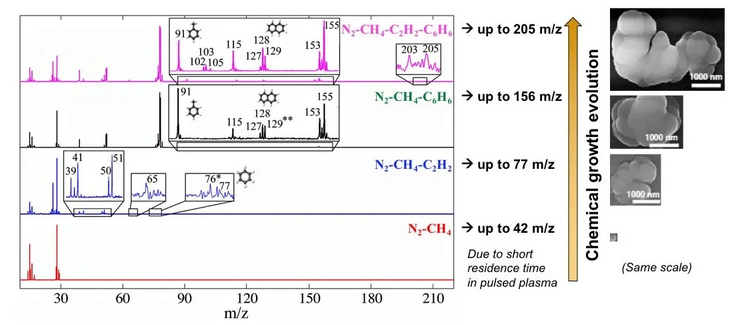
Figure 5: Left: Time-of-flight mass spectra of
Titan-simulated N2:CH4-based atmosphere with
and without the addition of heavier gas-phase
precursors (C2H2,
C6H6). Right: Scanning
electron microscope images of the resulting
solid grains (from Sciamma-O'Brien
et al. 2015).
|